
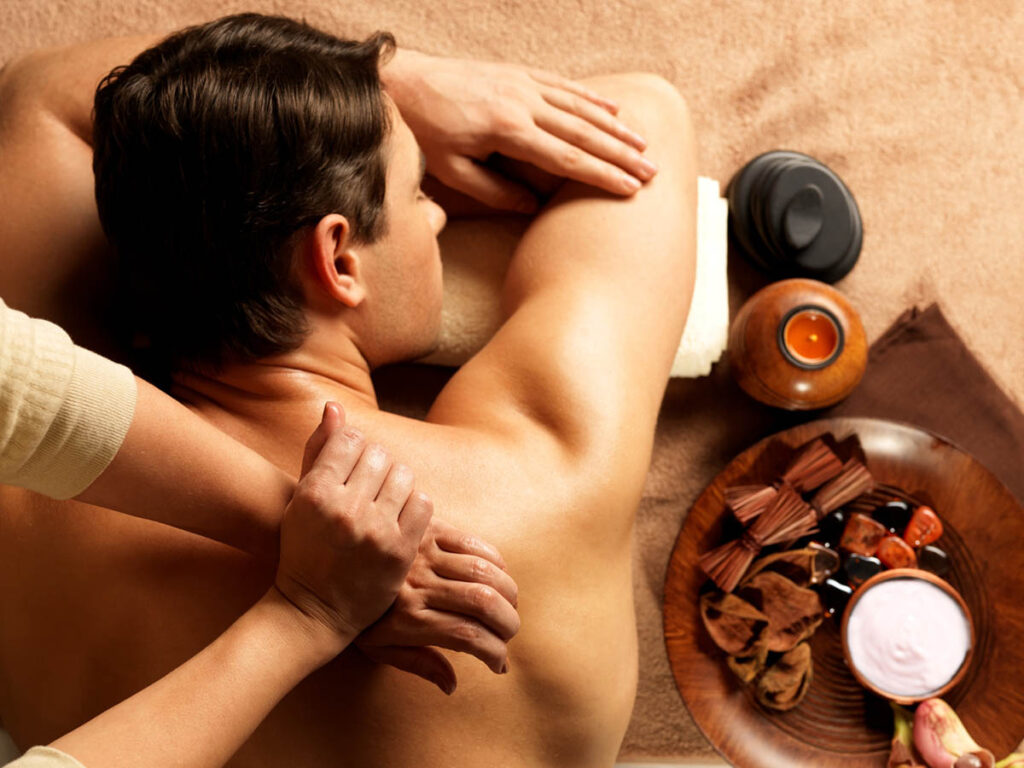
Ayurveda is deeply connected with seasonal living, balanced nutrition, daily routines and personalised care. In Kerala, this traditional approach becomes especially prominent during Karkidakam, when many people turn to Ayurvedic therapies and seasonal diets.
However, when Karkidakam ends, Chingam arrives and Onam celebrations begin, attention often shifts away from wellness. But Ayurvedic care does not have to end with the monsoon.
The weeks after Karkidakam can be a valuable transition period. With the right diet, routine and physician-guided care, you can continue the healthy habits developed during the season and ease back into everyday life.
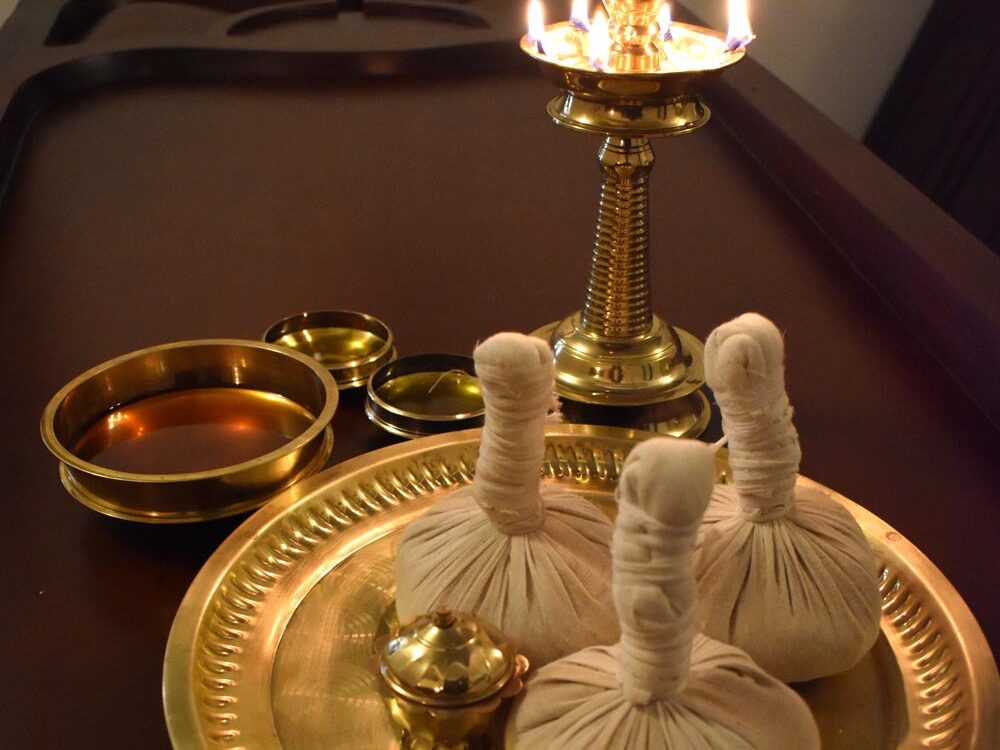
Post-monsoon Ayurveda treatment in Kerala can support a balanced transition after Karkidakam.
Why Karkidakam Matters in Ayurveda
Karkidakam falls during Kerala’s southwest monsoon. Traditionally, Ayurveda associates this season with changes in Vata and digestive strength, or Agni.
At the same time, rain, humidity and changes in daily activity can influence everyday routines.
Therefore, traditional seasonal care may focus on:
- Light and easily digestible food
- Adequate rest
- Appropriate Ayurvedic therapies
- Herbal preparations
- Regular sleep
- A consistent daily routine
However, the treatment itself is only one part of the process.
The Step After Treatment: Paschat Karma
Ayurveda gives importance to Paschat Karma, or post-treatment care, after certain therapies. Following treatment, the body may need time to gradually return to its normal routine.
Depending on the treatment prescribed, post-treatment guidance may include:
- Gradually returning to regular foods
- Avoiding excessively heavy meals
- Maintaining proper sleep
- Limiting strenuous physical activity
- Following the physician’s dietary advice
- Continuing prescribed medicines
- Attending follow-up consultations
This becomes particularly relevant around Onam. Travel, late nights, festive meals and changes in routine can quickly disrupt the habits followed during treatment.
You do not have to avoid celebrations. Instead, moderation can help you enjoy Onam while maintaining a balanced routine.
Who May Benefit From Post-Monsoon Ayurvedic Care?
Not everyone needs Ayurvedic treatment after the monsoon. A qualified Ayurvedic physician should first assess your individual health and requirements.
However, people experiencing recurring concerns such as the following may consider a professional consultation:
- Neck and shoulder stiffness
- Back discomfort
- Joint-related complaints
- Digestive irregularity
- Poor sleep
- Headaches
- Stress-related tension
- Fatigue
Ayurveda Meets the Modern Kerala Lifestyle
Modern work habits have created another challenge. Professionals in Kochi, particularly around Infopark and Kakkanad, may spend long hours sitting, work late for international clients and follow irregular meal schedules.
As a result, they may experience stiffness, tiredness, sleep difficulties or digestive discomfort.
Taking two weeks off during Karkidakam is not always practical. Therefore, a shorter, physician-guided outpatient programme may be a convenient option for some working professionals.
What Does Post-Monsoon Ayurvedic Treatment Involve?
A good Ayurvedic programme is not simply a collection of massages. Instead, treatment should begin with a consultation and be selected according to the individual’s needs.
Depending on the physician’s assessment, therapies may include:
Abhyanga
A traditional warm oil massage used in selected Ayurvedic wellness and therapeutic programmes.
Njavarakizhi
A nourishing therapy using warm rice boluses prepared with prescribed ingredients. It may be included in selected strengthening and rejuvenation programmes.
Shirodhara
A traditional therapy involving a continuous flow of warm oil or another prescribed liquid over the forehead.
Pizhichil
A specialised therapy involving the controlled application of warm medicated oil and used in selected therapeutic programmes.
Diet and Internal Medicines
Dietary guidance and prescribed Ayurvedic medicines may complement external therapies. Therefore, treatment should not be viewed as massage alone.
Choosing an Ayurveda Clinic in Kerala
Kerala has many Ayurveda centres. However, their approach, experience and treatment standards can vary.
Before booking, ask:
- Is a qualified Ayurvedic physician available?
- Is there a proper consultation before treatment?
- Is the programme personalised?
- Are the therapists appropriately trained?
- Are medicines and oils sourced responsibly?
- Is post-treatment guidance provided?
Most importantly, do not choose a programme based only on price or the number of therapies included.
Good Ayurvedic care begins with proper assessment and continues beyond the treatment room.
Ayurvedic Care at Nerium Ayurveda and Wellness Clinic
Nerium Ayurveda and Wellness Clinic in Kakkanad offers consultation-based Ayurvedic care tailored to individual needs.
If you are exploring Ayurveda packages in Kakkanad, look beyond the list of therapies. Instead, check whether the programme includes:
- Physician consultation
- Personalised treatment planning
- Appropriate Ayurvedic therapies
- Dietary guidance
- Follow-up care
The best Ayurvedic programme is not necessarily the longest. It is the one that suits your individual needs.
From Karkidakam to a Healthier Routine
Karkidakam may be Kerala’s traditional Ayurvedic season. Nevertheless, wellness does not have to stop when the monsoon ends.
As Chingam moves towards Kanni and Thulam, use this transition to review your:
- Diet
- Sleep
- Physical activity
- Daily routine
- Stress levels
- Overall wellbeing
Whether you completed an Ayurvedic programme during Karkidakam or missed it this year, start with a consultation rather than choosing a treatment package blindly.
The post-monsoon period can be a fresh opportunity to continue healthy habits and support your wellbeing. Post-monsoon Ayurveda treatment in Kerala is not simply about extending Karkidakam. It is about carrying the principles of seasonal care into everyday life.
This article is for general information only and does not constitute individual medical advice. Ayurvedic therapies may not be suitable for everyone. Consult a qualified Ayurvedic physician before beginning any treatment programme.